Most men spend real money on a suit and then finish the look with shoes that do not quite fit, were not built to last, and look like every other pair on the shelf. It is one of the most common misses in a well-dressed wardrobe.
Custom shoes fix all three problems at once. They are built around your foot, constructed from materials that improve with age, and designed to reflect your taste rather than a manufacturer’s best guess at mass appeal. If you have ever wondered whether bespoke footwear is actually worth what it costs, this piece breaks it down clearly.
The Fit Problem with Off-the-Shelf Shoes
Standard shoe sizes are built around averages. The average foot width, the average arch height, the average toe box. If your feet happen to match those averages closely, an off-the-rack shoe might feel acceptable. For most people, it never quite does.
Research from the American Podiatric Medical Association consistently shows that a significant percentage of adults wear shoes that do not correctly fit their feet, contributing to discomfort, blisters, and longer-term issues including bunions and plantar fasciitis. The break-in period that comes with most new shoes is not a feature. It is the shoe forcing your foot to conform to a shape it was not designed for.
A custom shoe is built from a last, a three-dimensional model made specifically from your foot measurements. Every curve, every arch, every width variation is accounted for before the leather is ever cut. The result is a shoe that fits correctly from the first wear, with no break-in required.
What “Bespoke” Actually Means in Shoemaking
The word gets used loosely in fashion, but in shoemaking it has a specific meaning. A bespoke shoe is one where a unique last is created for your foot, the pattern is drafted from that last, and the shoe is constructed by hand from start to finish. You are involved in every decision: the leather, the sole construction, the style, the finish.
This is different from made-to-measure footwear, where a standard last is adjusted for your size, and different again from custom-order shoes, where you pick colors and materials but the underlying construction is still mass-produced.
At The Tailored Foundation, we work in the bespoke tradition. Your last is yours. Your shoe is built once, for you.
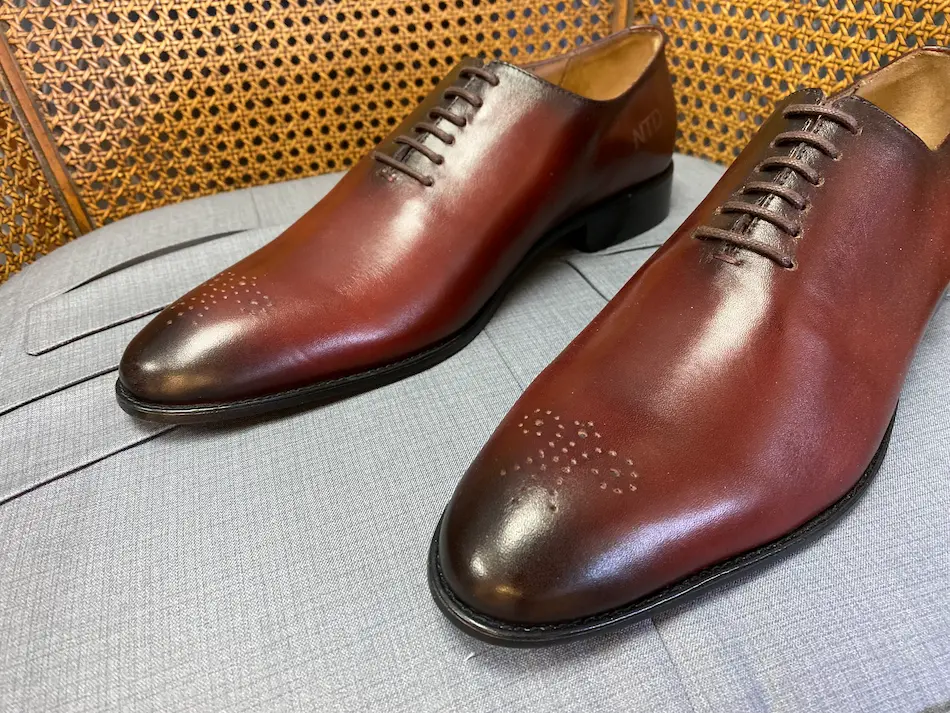
The Materials Make the Difference
Off-the-shelf shoes are manufactured at price points that require compromises in materials. Bonded leather, synthetic linings, glued soles, and injection-molded components are common because they reduce cost and speed production. These materials wear out, often within a year or two of regular use.
Full-grain leather, the highest quality cut from the hide, is what bespoke shoemakers use. It is denser, more resistant to moisture, and develops a patina over time rather than cracking and peeling. According to leather goods experts at Saddleback Leather, full-grain leather can outlast lower grades by decades when properly cared for.
The sole construction matters equally. A Goodyear welt, the gold standard in shoemaking, stitches the upper, insole, and outsole together in a way that allows the sole to be replaced when it wears out rather than requiring the entire shoe to be discarded. A well-made pair of bespoke shoes can last 20 to 30 years with proper resoling and conditioning. The cost-per-wear calculation over that timeframe typically makes custom shoes less expensive than buying several pairs of mid-range footwear over the same period.
Custom Shoes and Your Overall Look
A tailored suit without the right shoes is a common mistake. The shoe anchors the entire outfit, and a poorly fitting or generic shoe draws the eye in the wrong direction regardless of how well everything above the ankle is put together.
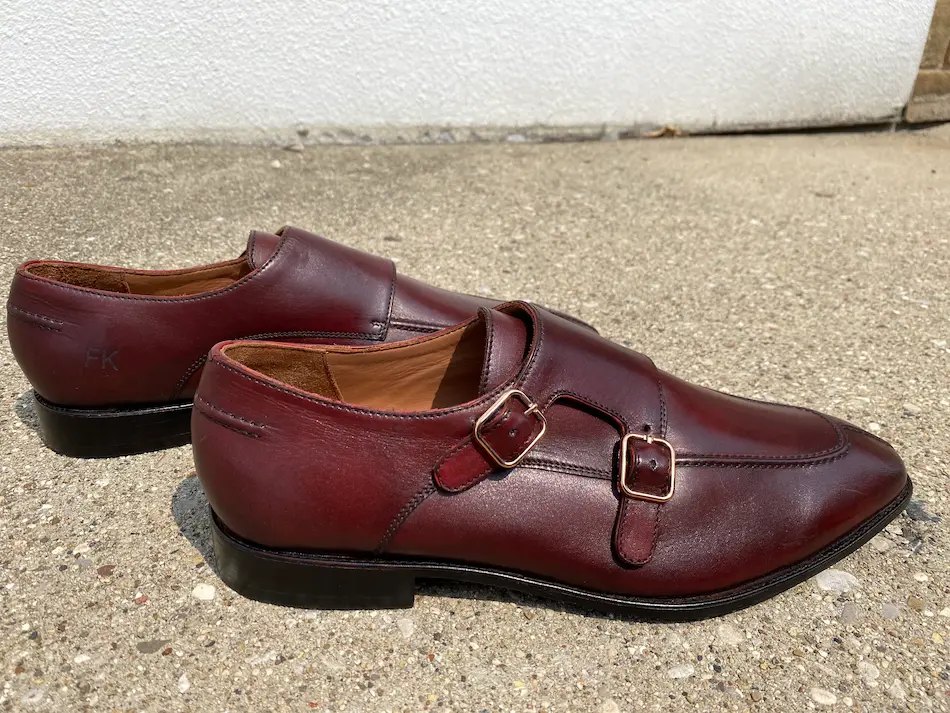
Bespoke shoes allow you to match construction and style to your exact wardrobe and occasions. A sleek Oxford in black calf for formal events. A double monk strap in cognac for business casual. A hand-painted patina loafer for something with more personality. Each pair is built to work with what you already wear rather than forcing you to compromise.
If your wardrobe includes custom suits or hand-crafted shirts, bespoke shoes complete the picture in a way that off-the-rack footwear simply cannot.
The Longevity Argument
The economics of bespoke shoes are often misunderstood. The upfront cost is higher, but the lifespan is fundamentally different.
A $200 pair of department store shoes will typically show significant wear within 12 to 18 months of regular use. The soles compress, the upper creases in ways the leather cannot recover from, and the lining deteriorates. Most people replace them within two to three years.
A well-made bespoke shoe, properly cared for with regular conditioning and cedar shoe trees, can last decades. The sole can be replaced multiple times. The leather upper, if it is full-grain, actually improves with use, developing a rich patina that no factory finish can replicate.
This is not a luxury argument. It is a practical one. Buying once and buying well is almost always the more economical choice over a 10 or 20 year horizon.
What to Expect from the Process
Getting a pair of custom shoes made is not complicated, but it does take more time than walking into a shop. At The Tailored Foundation, the process starts with a consultation and measurement session. We take detailed measurements of both feet, since most people have feet that differ slightly in size or shape, and build your last from those measurements.
From there, you choose your leather, your style, your sole construction, and any finishing details. The shoe is then constructed, typically requiring one fitting session to check the fit before the final shoe is completed.
The timeline varies but most clients receive their shoes within several weeks. If you are planning for a specific event or occasion, it is worth getting in touch early to allow enough time.
We work with clients from three locations:
Are Custom Shoes Right for You?
If you wear shoes regularly for work or formal occasions, care about how your overall appearance is put together, and want footwear that lasts rather than footwear you replace every couple of years, bespoke shoes are worth serious consideration.
They are not for every situation. A casual sneaker for weekend errands does not need to be bespoke. But for the shoes you reach for when presentation matters, having a pair built specifically for your feet, your style, and your wardrobe is a decision most clients say they wish they had made sooner.
If you want to understand more about the broader value of investing in handmade footwear, our post on where to get bespoke shoes made near you covers what to look for when choosing a shoemaker. And if you are just starting to think about building a wardrobe around custom pieces, our guide to custom shoes vs off-the-shelf footwear breaks down the comparison in detail.
To get started with a pair of your own, call us at 224-628-2980 or book a consultation at whichever location is most convenient.
See more from The Tailored Foundation on Google
Add us as a preferred source and our style guides and tailoring advice will show up more often in your Google results.